IPL therapy for dry eye disease has become one of the most widely used and effective treatment options in recent years.
IPL (Intense Pulsed Light) is a light-based treatment that is also used in dermatology, but in ophthalmology it is performed using specialized treatment protocols.
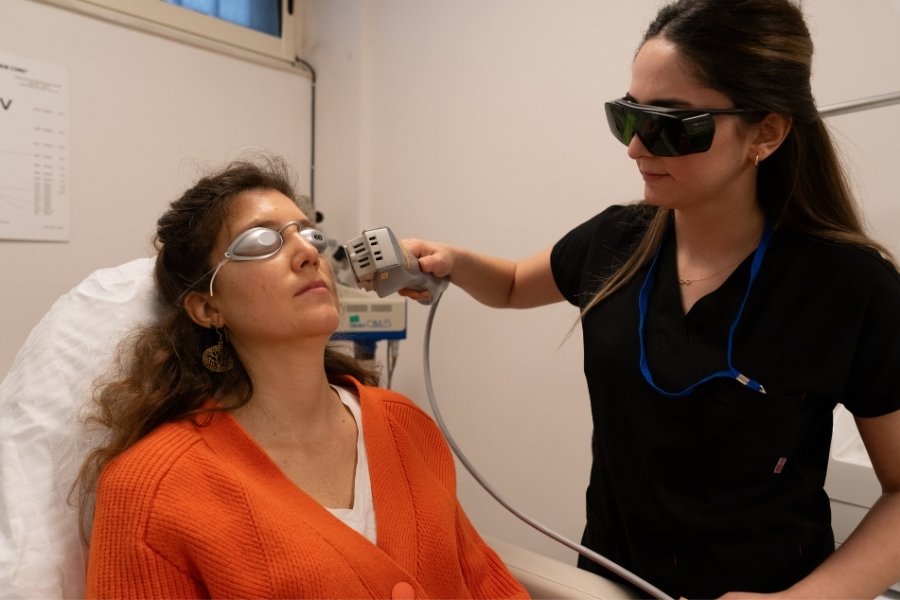
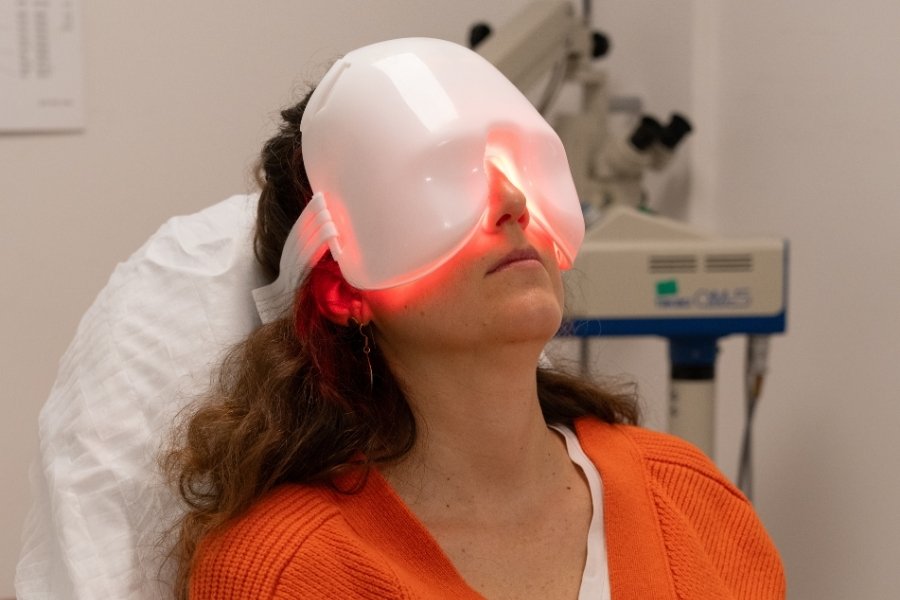
The treatment is applied to the skin beneath the lower eyelids.
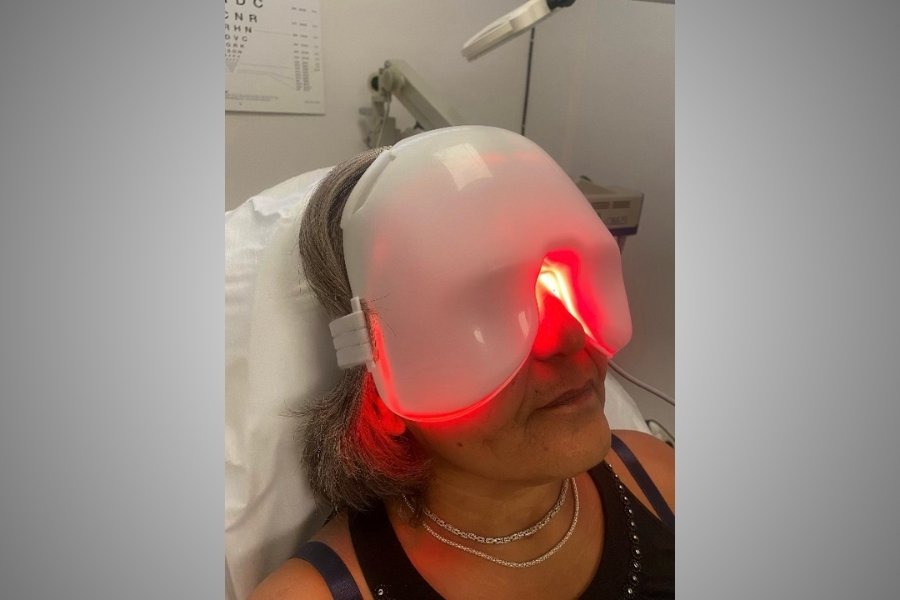
Light is delivered to the surrounding tissues, not directly into the eye.
The light energy targets blood vessels and the meibomian glands.
The Most Common Cause of Dry Eye
Meibomian Gland Dysfunction (MGD)
How Does IPL Work?
IPL therapy may:
• Unblock clogged meibomian glands.
• Improve the lipid (oil) layer of the tear film.
• Reduce inflammation and bacterial load on the eyelids.
• Shrink abnormal blood vessels, thereby reducing inflammation.
• Decrease the number of Demodex mites.
Who Can Benefit?
IPL is particularly effective for patients with:
• Dry eye caused by Meibomian Gland Dysfunction (MGD).
• Evaporative dry eye disease.
• Chronic eyelid inflammation (blepharitis).
• Persistent symptoms despite the use of artificial tears.
How Is the Treatment Performed?
• Typically performed in 3–4 treatment sessions.
• Sessions are scheduled 2–4 weeks apart.
• Each treatment takes approximately 10–15 minutes.
• Meibomian gland expression (gland massage) is usually performed immediately afterward.
Advantages
• A medication-free treatment option.
• May provide long-lasting symptom relief.
• Most effective when used as part of a comprehensive treatment plan rather than as a standalone therapy.